Blog
Tips, tutorials, and ideas for worship musicians. Chord theory, leading teams, stage setup, and more.
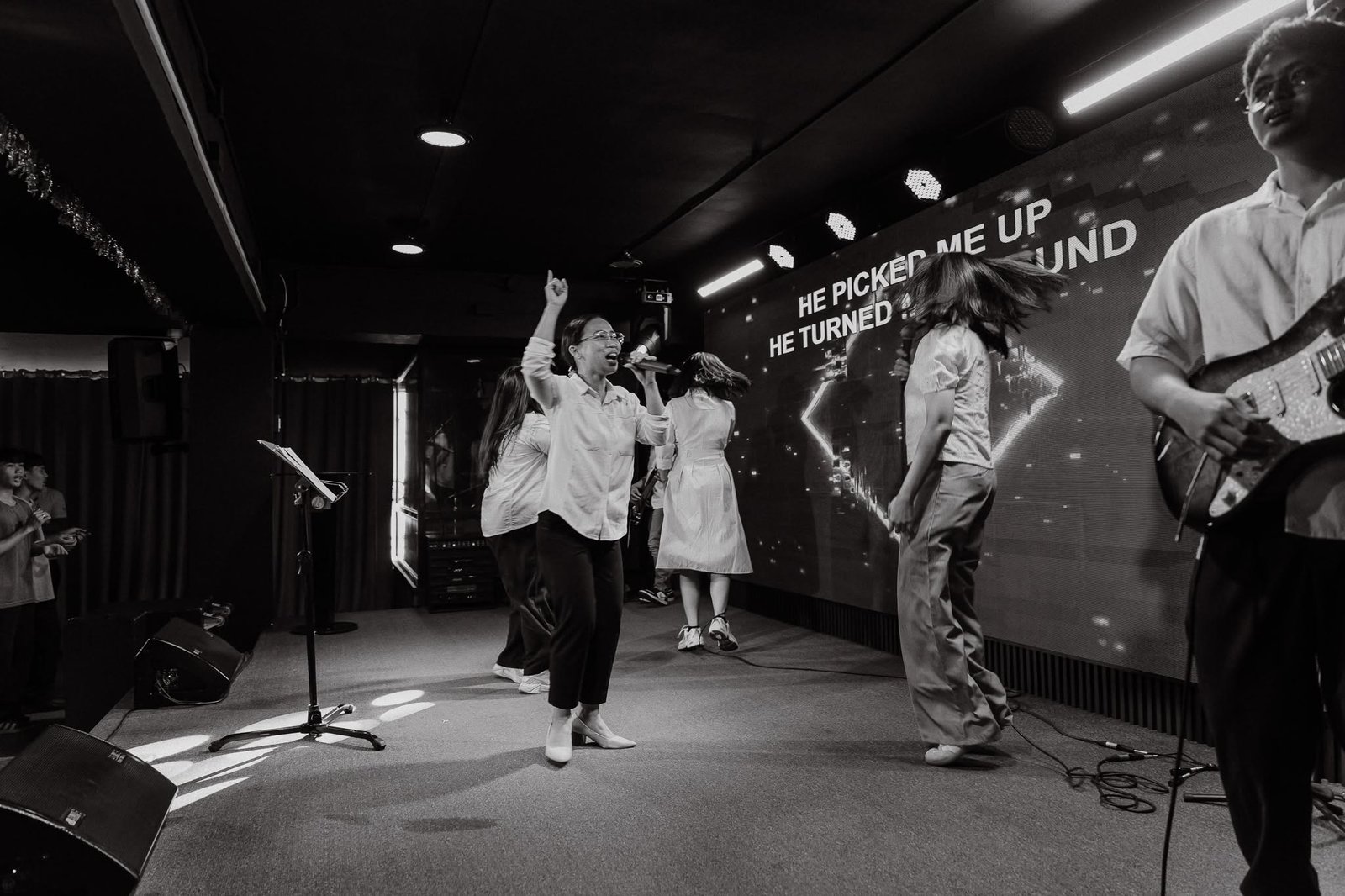 Light Church Olongapo — worship team

Learning Guitar Scales Made Me a Better Worship Musician. Here Is Why.
I avoided learning scales for years because I thought they were just exercises with no real worship application. Then I realized the musicians I admired most all knew their scales deeply. Here is what changed when I finally committed to learning them.
Read article →
Qualities of a Good Worship Leader
Musical skill is only one piece of what makes someone an effective worship leader. These qualities shape the full picture of someone who leads well over the long term.
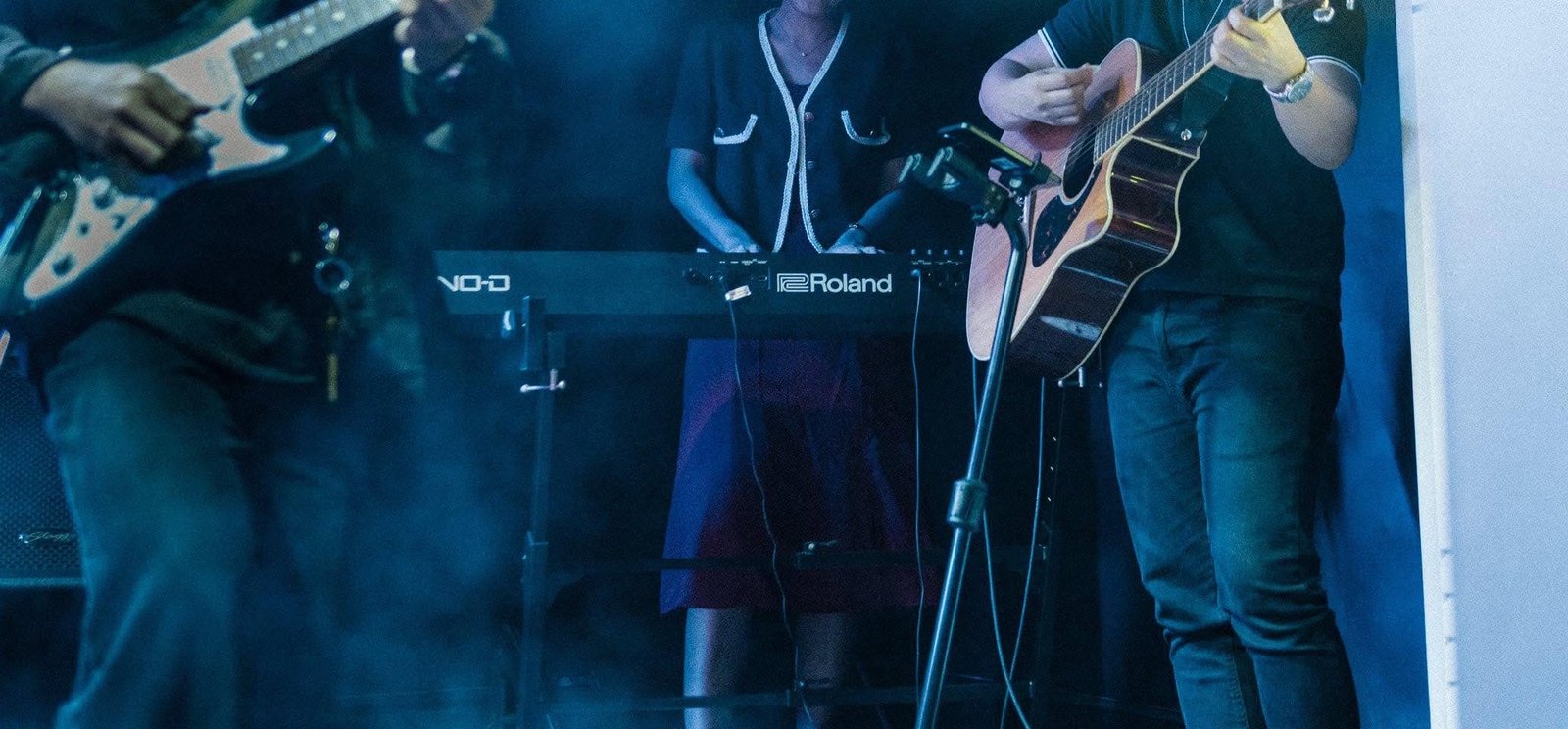
Our Guitarist and Keyboardist Were Playing the Same Song in Different Keys. Here Is What Fixed It.
During a rehearsal one night, our guitarist and keyboardist both swore they were in the right key. But everything sounded wrong. It took us way too long to figure out why. The answer was relative keys, and it changed how we communicate at every rehearsal since.

How Nashville Numbers Saved Our Rehearsal When We Changed the Key Last Minute
Twenty minutes before rehearsal our worship leader texted saying she needed one of our songs moved up a full step. Everyone had printed charts. Here is how knowing the Nashville Number System turned a potential disaster into a two-minute fix.
How to Prepare Your Heart Before Leading Worship
Technical preparation matters, but the condition of your heart before you step onto the platform matters more. Here is a practical approach to getting spiritually ready.
We Kept Choosing Songs Our Worship Leader Could Not Sing. This Tool Fixed That.
For two years we chose worship songs based on what we liked and what the congregation responded to. We never really thought about whether the key worked for our vocalist until her voice started giving out. Here is how we built a better process.
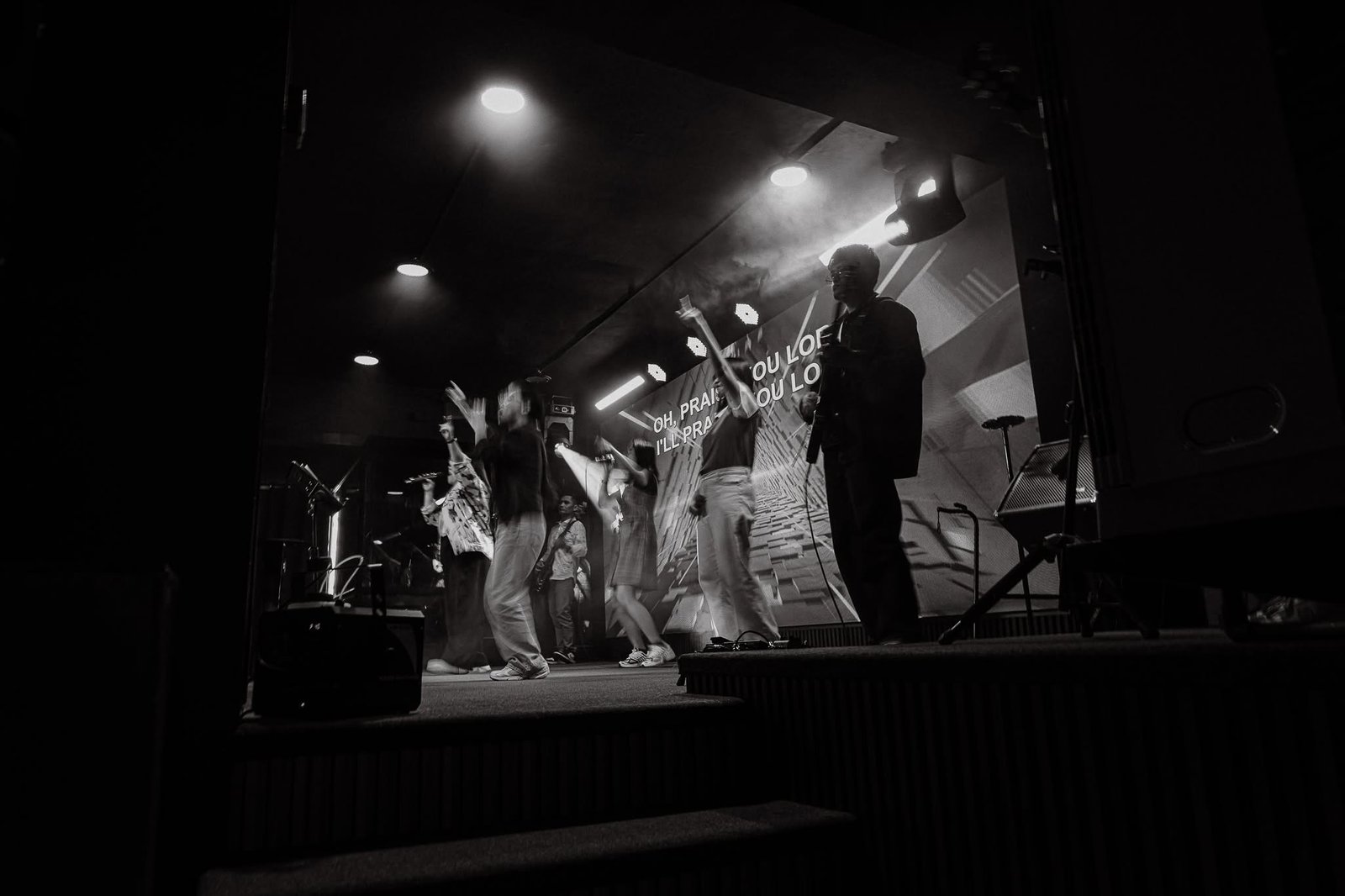
Worship Leading Is a Calling, Not a Performance
There is a big difference between performing for a crowd and leading people into the presence of God. Understanding that difference changes everything about how you approach the role.

I Was Playing Chords I Did Not Know the Names Of. Now I Do.
I played guitar for five years before I could reliably name every chord I was playing. I learned by ear and by feel, which meant I had shapes without labels. The day that changed is a story about a rehearsal, a confused keyboardist, and a tool that finally connected the dots.
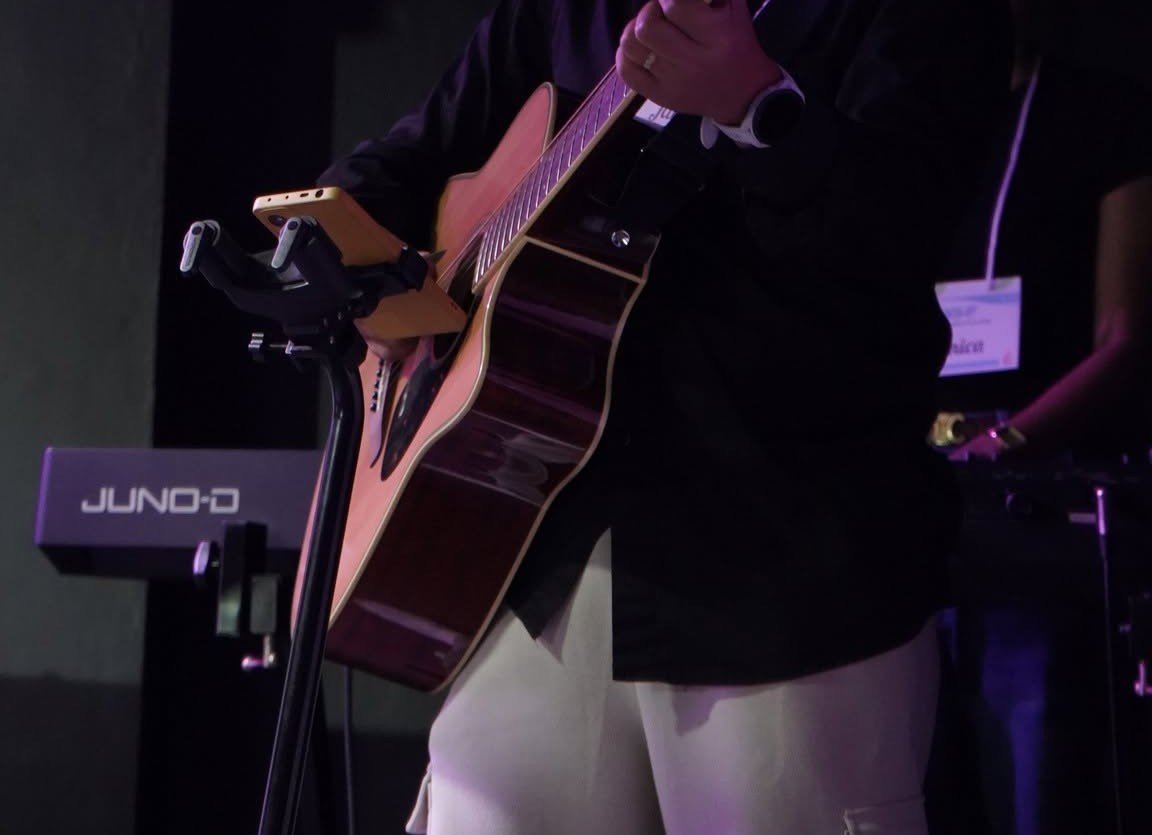
Before We Had a Piano, This Is How We Found Our Starting Note
When our church was still meeting in a rented space without a piano, we had a recurring problem: how do you find the right starting pitch for a song when no pitched instrument is available? A pitch pipe was the answer, and it is still something we use today.
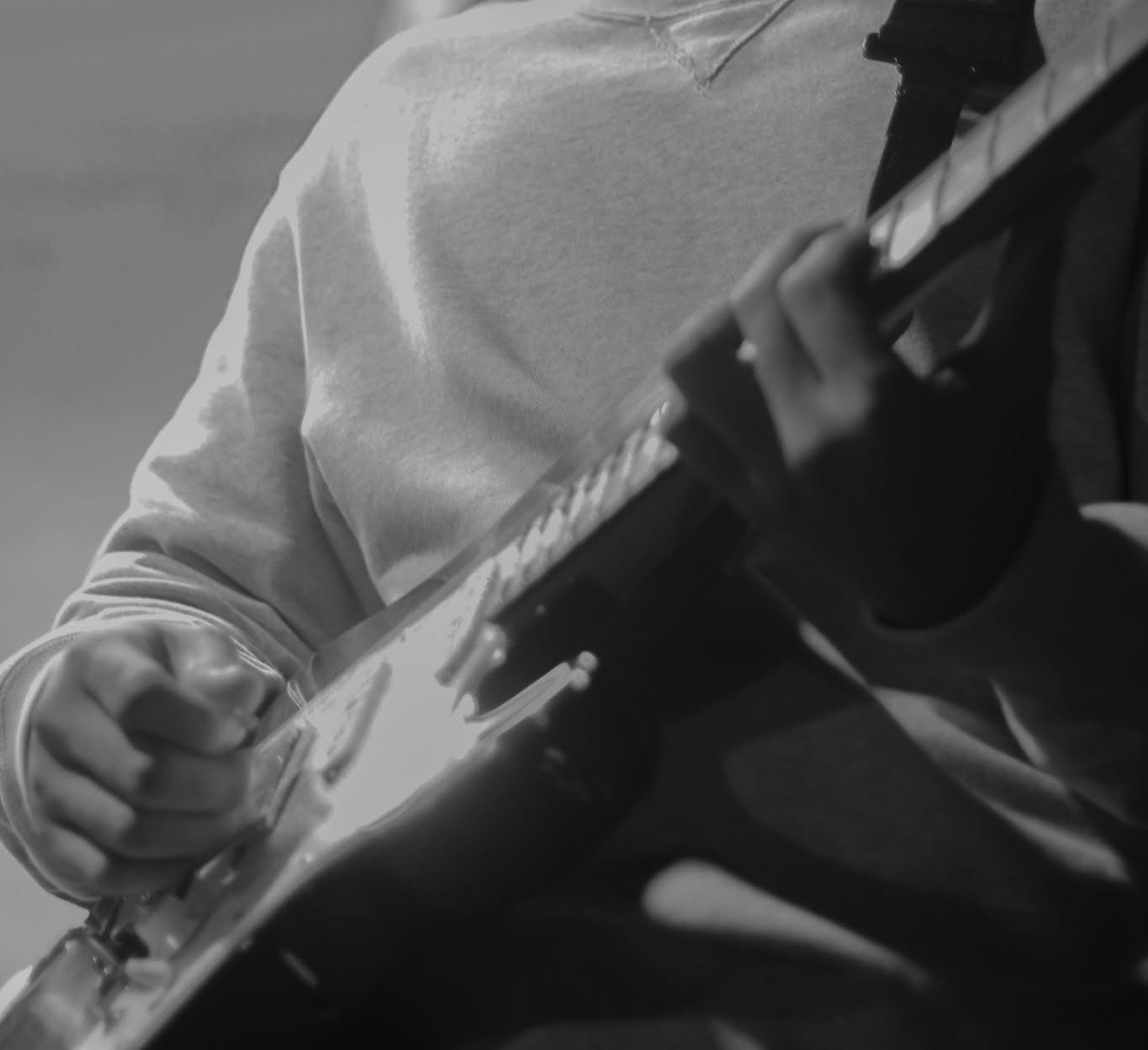
I Spent Three Years Not Knowing Where Notes Were on the Fretboard. Here Is How I Fixed That.
For the first three years I played guitar, I knew chord shapes and that was it. I could not tell you what note my ring finger was on. Then one rehearsal made it clear that staying in my comfort zone was costing the team. Here is how I finally learned the fretboard.
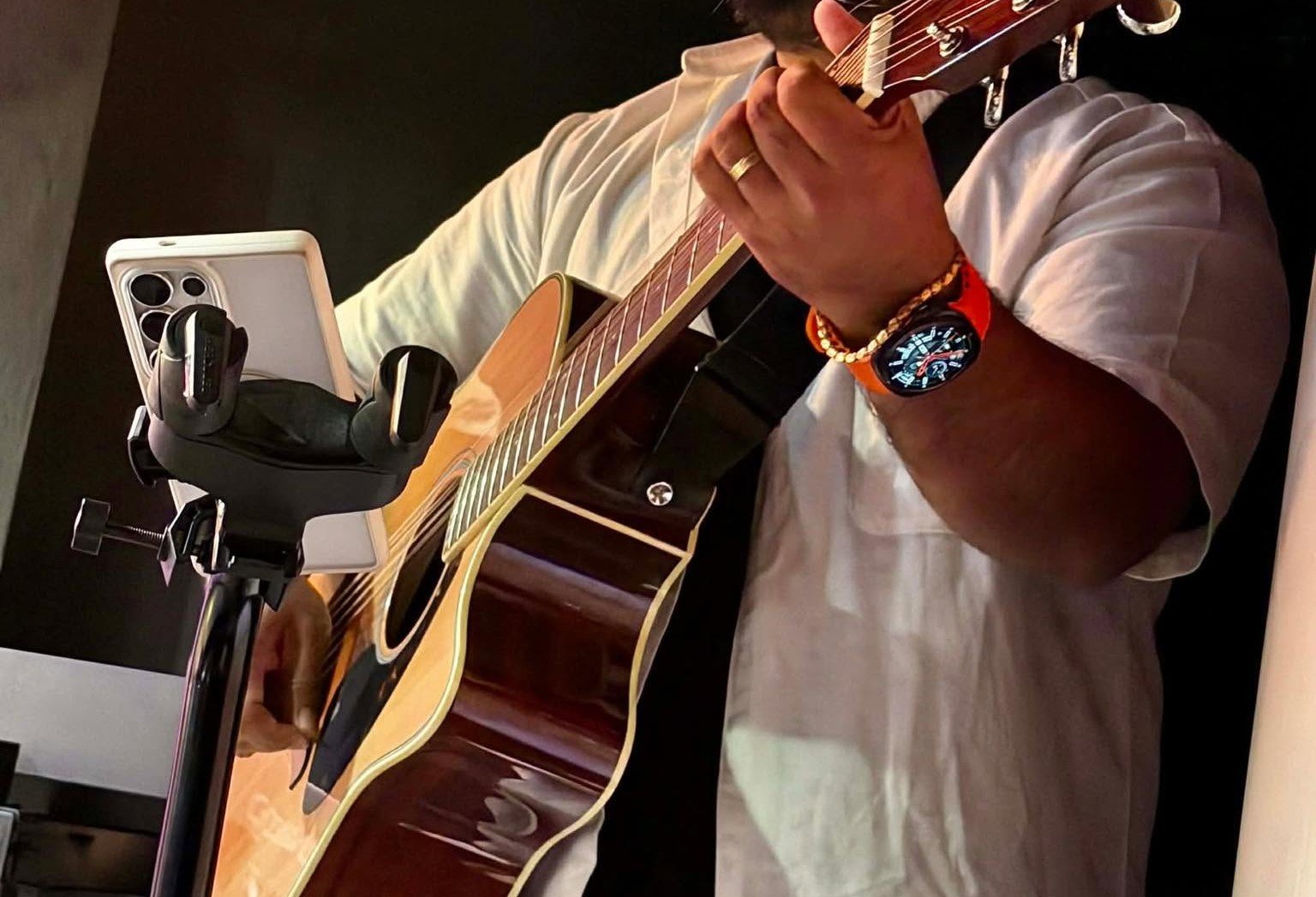
How Chord Substitutions Made Our Worship Sound Fuller Without Adding More Musicians
Our team was three people and a drummer and we kept feeling like something was missing harmonically. We tried adding more instruments but the room did not have space for them. The answer turned out to be chord substitutions, and it did not cost us anything extra.
Why We Put Key Signatures on Every Song Chart We Print for Rehearsal
We used to print chord charts with just the chords and the lyrics. Then we had a rehearsal where three musicians were all in different keys because nobody had written the key at the top. That Sunday we started a rule we have kept ever since.