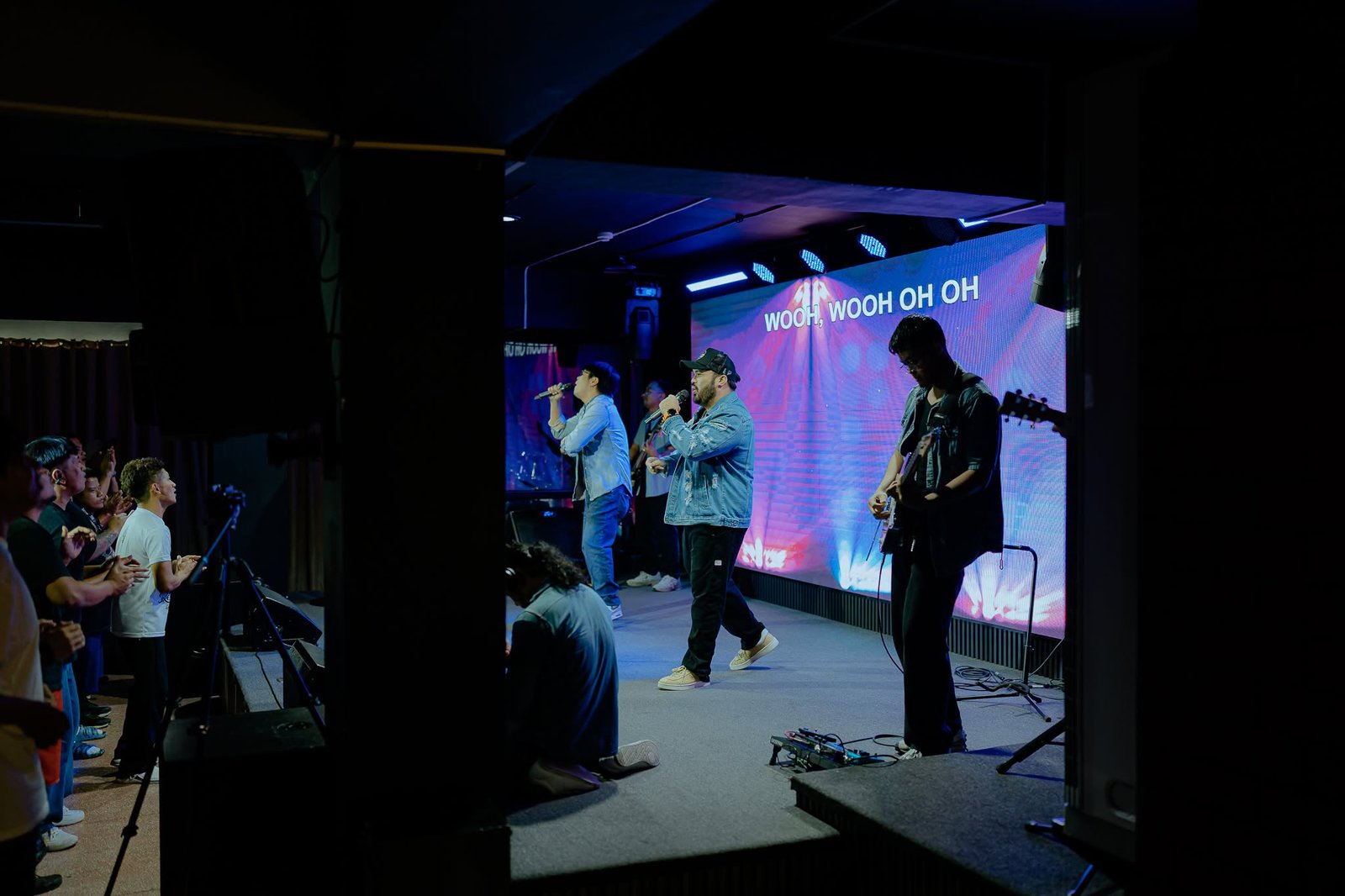
Our church at Light Church Olongapo has a wide age range in the congregation. We have families who have been attending for thirty years and teenagers who started coming with their friends a few months ago. We have grandparents who grew up with hymns as the primary form of church music and young adults who came to faith through modern worship and have no particular connection to the traditional hymn repertoire. Getting both groups to engage authentically in the same service is something our worship team thinks about constantly.
Most Sundays we navigate this through song selection, trying to mix styles and eras in a way that gives everyone something familiar while also stretching everyone slightly into something less familiar. It is a balance that does not always land perfectly, and we have had Sundays where we could feel one group or the other disconnecting.
But there was one Sunday a couple of years ago that I have thought about many times since. I want to tell you about it.
The Sunday It Happened
We were about halfway through the service and we moved into What a Friend We Have in Jesus. It is a hymn with deep roots in church history and a melody that is almost universally recognizable to anyone who has spent time in a church. We played it in a simple, contemporary feel. Nothing dramatically different from the traditional arrangement, just lighter and a bit warmer in tone.
I was watching the room from behind my guitar, which I always do. And I noticed a woman near the front who has been attending our church since before I was born. She sings every Sunday but she is usually a bit reserved in her expression. That Sunday she was fully singing with her eyes closed and her hands folded in front of her. She was somewhere else entirely, somewhere the song had taken her.
Two rows behind her was a sixteen-year-old boy who comes occasionally with his family. He is a good kid but he is the kind of teenager who usually looks slightly uncomfortable in a church service, like he is not sure he belongs yet. That Sunday he was singing. Quietly but genuinely. He knew the words. Maybe from childhood, maybe from somewhere else. But he was singing them and they were landing for him.
I looked at those two people and felt something shift in my understanding of what we were doing up there on the stage.
What Hymns Do Across a Room
A song that is familiar to a broad cross-section of a congregation creates a different kind of corporate experience than a song that only some people know. When most people in the room know a song from their own personal history, the singing comes from a more personal place. It is not just obedience to what the words on the screen are telling them to sing. It is memory, association, and whatever encounters with God they have had in that song's presence before.
The eighty-year-old woman and the sixteen-year-old boy were not having the same internal experience. They could not be. Their histories with that song were completely different. But they were both genuinely present in the same moment, brought there by the same melody and the same words. That is something a new song cannot produce, because a new song has no personal history with anyone in the room yet. You can love a new song immediately but you cannot remember it. You can only remember What a Friend We Have in Jesus.
What This Changed About How We Plan Setlists
Since that Sunday, we have been more deliberate about including at least one broadly familiar hymn in most of our services. Not always a classic like Joyful Joyful We Adore Thee or Amazing Grace, though those appear regularly. Sometimes it is a slightly less common hymn that our team has found works particularly well in our context. The goal is not to be predictable or to favor any one generation. The goal is to give the whole room a moment where the playing field levels and everyone is equally invited in.
We have also found that hymns create unexpected conversations. A teenager who discovers they know the words to a hymn is often curious about where the song came from. An older congregant who hears a hymn played in a way they have not heard before is sometimes moved to talk about what that song has meant through different seasons of their life. The songs become connection points between people who would not otherwise have much to say to each other.
A Practical Suggestion
If your congregation spans generations and you have been playing mostly contemporary worship, try adding one hymn to your next two or three Sunday setlists. Pick something with broad recognition: Amazing Grace, How Great Thou Art, What a Friend We Have in Jesus. Do not make a big announcement about it. Just play it.
Then watch the room while you play. Notice who lights up. Notice who finds their voice. Notice if anyone who does not usually participate leans in. That observation will tell you more about whether hymns belong in your church than any argument about music style ever could.
You can find chord charts and arrangements for all the hymns we use regularly in our hymn library. The songs are there whenever you are ready to bring them back.