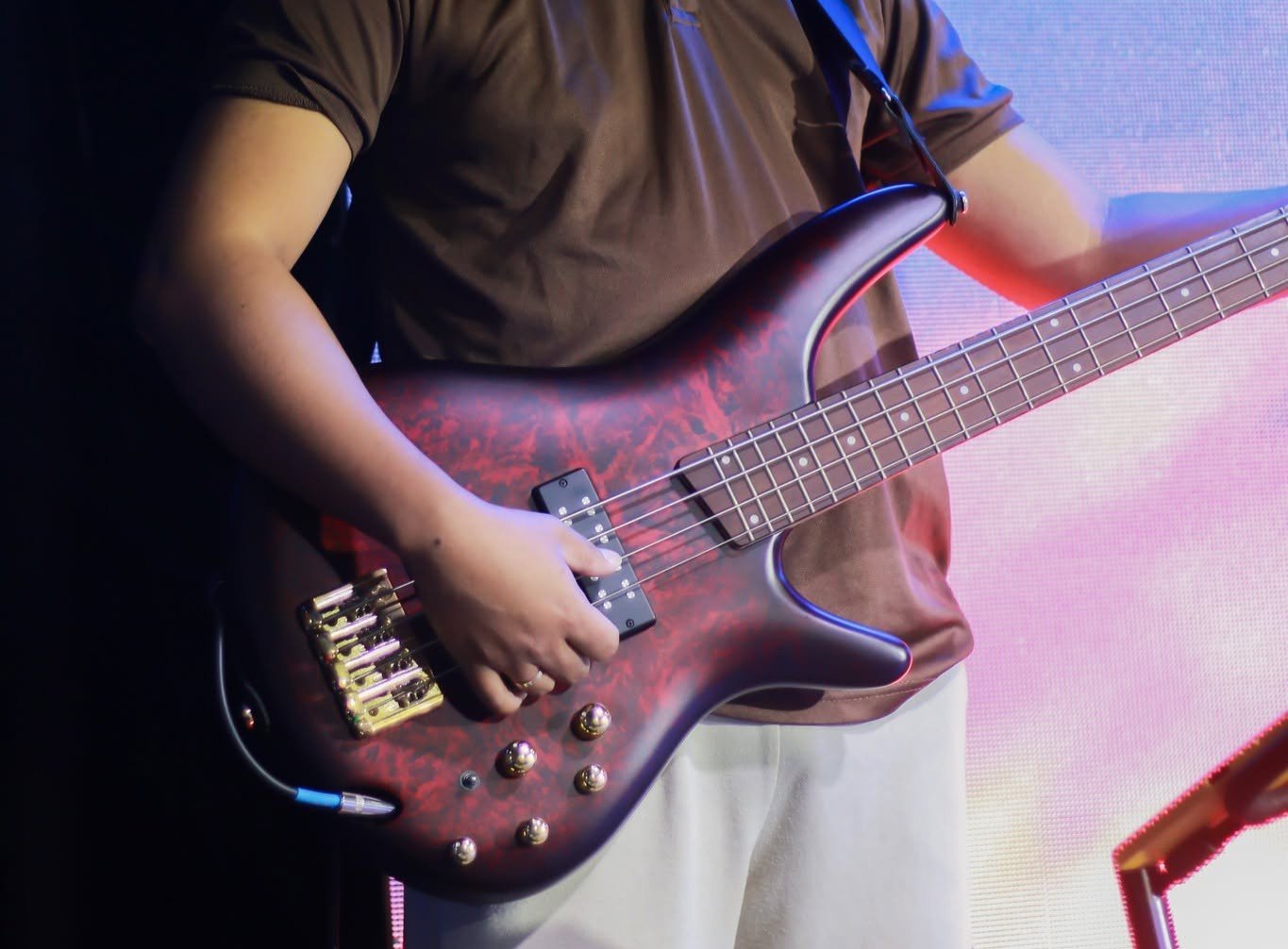
When I was starting out as a guitarist in our worship team, I made a mistake that I now see beginners make all the time. I would look at a chord chart, see that the first chord was G, and assume the song was in the key of G. It made sense to me at the time. The song starts on G, so G must be the key.
Sometimes that is correct. But not always. And getting this wrong causes real problems when you need to transpose a song, communicate the key to your team, or figure out which chords should naturally fit in a song.
Why the First Chord Is Not Always the Key
Songs do not have to start on the root chord of their key. Many songs start on the 4 chord or the 6 minor chord or somewhere else in the key entirely. A song in the key of D might start on G, which is the 4 chord. A song in the key of C might start on Am, the 6 minor. The song is still in D or C, it just does not begin on the home chord.
The key of a song is determined by where it wants to resolve and come to rest, not by where it starts. The home chord is the one that feels like an arrival, like the music found its landing spot. Usually that is the chord that the song ends on or returns to most naturally. But your ear has to be somewhat trained to hear that, and when you are just beginning, it is not always obvious.
The Mistake I Saw Most Often in Beginners
In our team, we started inviting younger musicians to join and I noticed this pattern repeatedly. Someone would look at a chord chart that started on Am and say "this is in Am." But the song was actually in C. Am is just the 6 chord of C, and many worship songs start there because it creates a more atmospheric, reflective feel before landing on C.
When they told the rest of the team "this is in Am" and someone tried to figure out a capo position or a keyboard voicing based on that, everything got confused. The actual key is C, not Am, and once you know the actual key everything else becomes clearer. If you then need to change the key for a singer, tools like the Transpose Calculator work from the actual key, not the starting chord, so getting the key right first matters a lot.
Why I Built the Key Finder Tool
I built the Key Finder specifically for situations like this. You enter the chords from the chart, and the tool tells you the most likely key based on how those chords relate to each other. It shows you both the major and minor possibilities, because some songs genuinely sit in a minor key and some only feel minor but are technically major.
For beginners this is useful because it gives them a reference point they can learn from. Over time, as you see the patterns repeat, you start to internalize which chord combinations suggest which keys. The Key Finder tool is not meant to replace that understanding. It is meant to help you build it faster by showing you the answer before you fully understand why.
A Practical Example
Take a simple chord progression: Am, F, C, G. If you see this and assume the key is Am because it starts there, you will be off. This is actually one of the most common chord progressions in the key of C major. Am is the 6 chord, F is the 4, C is the 1, G is the 5. The song resolves naturally to C.
Put that progression into the Key Finder and it will tell you C major is the most likely key. Then the next time you see those chords together, you will start to recognize the pattern before you even need the tool.
That is the goal. Use the tool, learn the pattern, eventually not need the tool. That is how all good learning works.